






Remote work can help organizations access a wider talent pool, support flexible schedules, and reduce dependence on a shared office. However, a successful remote team does not happen simply because people use video calls and chat apps. It requires a clear strategy that explains how the team communicates, collaborates, measures progress, and maintains a healthy work routine.
An effective remote team strategy gives people structure without creating unnecessary restrictions. It helps employees understand what is expected while giving them the flexibility to complete their work in a way that suits their responsibilities and time zones.
Define the Team’s Purpose and Goals
Every remote team strategy should begin with a clear purpose. Team members need to understand why the team exists, who it serves, and how its work supports broader organizational goals.
Start by answering a few basic questions:
– What is the team responsible for?
– What results should the team deliver?
– Who depends on the team’s work?
– How will success be measured?
– Which deadlines or milestones matter most?
Turn broad goals into specific outcomes. For example, “improve customer support” is less useful than “reduce average response time while maintaining strong customer satisfaction.” Clear outcomes make it easier for remote employees to prioritize their work and make decisions independently.
Share goals in a central location where everyone can review them. Revisit them regularly, especially when priorities change. This keeps the team aligned and reduces confusion caused by informal updates or scattered messages.
Establish Clear Roles and Responsibilities
Remote work can make overlapping responsibilities harder to identify. A task may be discussed in a group chat, assigned during a meeting, and updated in a separate project tool. Without clear ownership, important work can be delayed.
Create a simple overview of team roles and responsibilities. Each person should know:
– Which tasks they own
– Which decisions they can make independently
– Who approves their work
– Where to request help
– Which team members handle related responsibilities
For larger projects, assign one clear owner to each major deliverable. Other people may contribute, review, or provide information, but one person should be accountable for moving the work forward.
Document recurring responsibilities as well. Written role descriptions help new employees get started and reduce the need to repeat basic explanations.
Create a Communication Framework
Remote teams need communication guidelines that explain which channel to use for different types of information. Without a framework, employees may receive too many notifications or miss important updates.
A practical communication framework might include:
– Email: Formal messages, external communication, and information that does not require an immediate response
– Team chat: Quick questions, short updates, and informal collaboration
– Project management tools: Tasks, deadlines, status updates, and documentation
– Video meetings: Complex discussions, planning, and conversations that benefit from real-time interaction
– Shared documents: Policies, processes, decisions, and reference materials
Set expectations for response times. For example, a team might agree that urgent messages should be clearly marked, while routine messages can receive a response within one business day.
Encourage thoughtful communication instead of constant availability. Employees should not feel required to respond immediately to every message. Clear expectations help protect focus time and reduce stress.
Use Meetings with Purpose
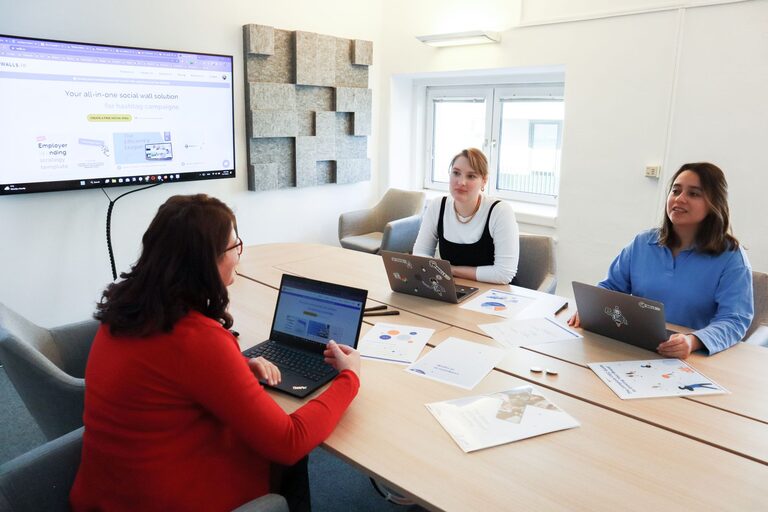
Meetings can support connection and coordination, but too many meetings can reduce productivity. Each recurring meeting should have a clear purpose, a short agenda, and a defined group of participants.
Before scheduling a meeting, consider whether the goal can be achieved through a written update or shared document. If a meeting is necessary, include:
– The purpose of the meeting
– Topics to be discussed
– Information participants should review beforehand
– The decisions that need to be made
– Assigned follow-up actions
Keep meetings focused and record important decisions. A brief written summary helps team members who could not attend and provides a useful reference later.
Use a balanced meeting schedule. Teams may need regular planning sessions, one-on-one conversations, and occasional social meetings, but employees should also have uninterrupted time for focused work.
Choose Tools That Support the Workflow
Remote teams often use several digital tools, but adding more software does not automatically improve collaboration. Select tools based on the team’s actual needs and make sure each one has a clear purpose.
Useful tool categories include:
– Project and task management
– Video conferencing
– Team messaging
– File storage and document sharing
– Time zone coordination
– Knowledge management
Keep the toolset as simple as possible. If project details are spread across too many platforms, employees may waste time searching for information. Establish a “single source of truth” for important project details, such as deadlines, owners, and current status.
Provide basic training and written instructions for each tool. Review the toolset occasionally and remove platforms that no longer add value.
Build Reliable Documentation Habits
Documentation is one of the most important parts of remote collaboration. In an office, people may learn through quick conversations or by observing how colleagues work. Remote employees need more information in writing.
Document processes such as:
– How new projects are started
– How tasks are assigned and approved
– How customer or internal requests are handled
– How files are named and stored
– How decisions are recorded
– How common problems are resolved
Use clear language and organize documents so they are easy to search. Assign responsibility for keeping key information current. Outdated documentation can be just as confusing as missing documentation.
After important meetings or decisions, post a short summary that includes the decision, the reason for it, and any next steps.
Support Trust and Accountability
A strong remote team is built on trust rather than constant monitoring. Managers should focus on results, quality, communication, and reliability instead of measuring activity by online status or the number of messages sent.
Set expectations for deliverables and check progress at agreed times. When work falls behind, discuss the cause and identify practical support. The goal should be to solve problems early, not to create a culture of surveillance.
Accountability also depends on transparency. Encourage team members to share progress, identify risks, and ask for help before a small issue becomes a major delay.
Strengthen Connection and Team Culture
Remote employees need opportunities to build professional relationships. Team culture develops through everyday interactions, shared standards, and the way people respond to challenges.
Managers can support connection by:
– Recognizing completed work and helpful contributions
– Making space for informal conversation
– Pairing employees for occasional collaboration
– Welcoming different communication styles
– Including remote employees in important discussions
– Creating fair opportunities to lead projects
Social activities should be optional and inclusive. Not everyone enjoys the same format, so offer a mix of brief conversations, interest-based activities, and informal team time.
Review and Improve the Strategy
A remote team strategy should evolve as the team grows. Schedule regular reviews to identify what is working and what is creating unnecessary friction.
Ask team members questions such as:
– Which processes help you do your best work?
– Where do delays or misunderstandings occur?
– Are meetings useful and well planned?
– Can you find the information you need?
– What should the team start, stop, or continue doing?
Use the feedback to make small, practical improvements. A successful strategy is not a fixed document. It is an ongoing system that helps people work together clearly, confidently, and consistently—wherever they are located.