








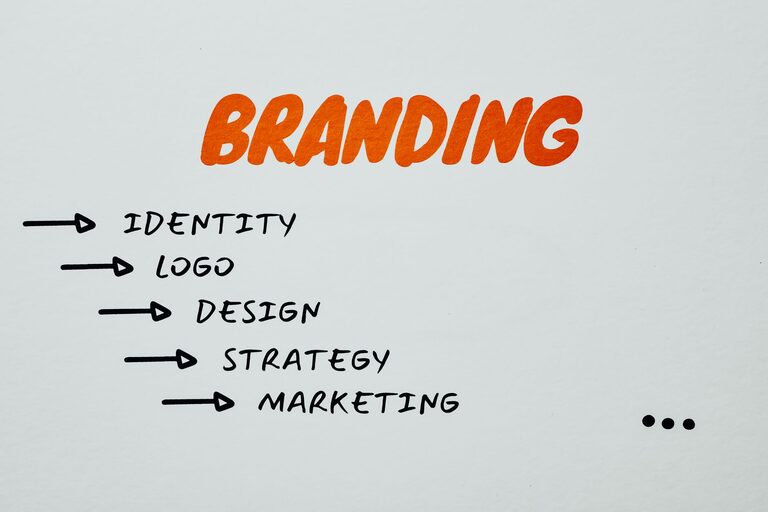
A strong brand is more than a logo, color palette, or memorable slogan. It is the overall impression people have when they interact with a business. Every message, product experience, customer service conversation, and visual detail contributes to that impression.
A thoughtful brand strategy helps a business become easier to recognize and easier to trust. It gives teams a clear direction and helps customers understand what the business offers, who it serves, and why it is different.
Whether you are launching a new business or improving an established one, the following steps can help you build a practical brand strategy.
What Is a Brand Strategy?
A brand strategy is a long-term plan for shaping how people see and experience a business. It connects business goals with customer needs and defines how the organization communicates its value.
A brand strategy typically includes:
– The brand’s purpose and goals
– Its target audience
– Its market position
– Its personality and voice
– Its visual identity
– Its key messages
– Its customer experience standards
– Its methods for measuring progress
Brand strategy is different from a marketing campaign. A campaign may promote a product for a limited time, while a brand strategy guides communication and customer experiences across every channel.
1. Define Your Brand Purpose
Start by identifying why your business exists beyond making sales. A clear purpose gives your brand direction and can help people connect with it on a more meaningful level.
Your purpose should explain the value you aim to provide. It does not need to sound dramatic or complicated. A simple, honest statement is often more effective.
Ask questions such as:
– What problem does the business solve?
– Who benefits from the solution?
– What improvement do you want to create for customers?
– What principles guide your decisions?
– What would be missing if the business did not exist?
For example, a company that sells organization tools might define its purpose as helping people create calmer, more manageable workspaces. This purpose can guide its product choices, content, customer support, and visual style.
2. Understand Your Audience
Recognition and trust grow when a brand feels relevant. To achieve that, you need a clear understanding of the people you want to reach.
Audience research can include customer interviews, surveys, website data, reviews, support requests, and conversations on relevant online platforms. Look for patterns in customers’ needs, concerns, preferences, and decision-making habits.
Create a practical audience profile that includes:
– Common customer needs
– Problems they are trying to solve
– Factors that influence their decisions
– Questions they often ask
– Words they use to describe their goals
– Concerns that may prevent them from buying
Avoid relying only on assumptions. A brand may believe customers care most about price, while research shows they care more about ease of use or reliable support.
Understanding your audience helps you create messages that are clear, useful, and appropriate for the people you want to serve.
3. Study the Competitive Landscape
Your brand does not exist in isolation. Customers compare businesses based on products, service, pricing, reputation, convenience, and overall experience.
Review similar businesses and note:
– Their main promises
– Their visual styles
– Their tone of voice
– The audiences they target
– Their strengths and weaknesses
– The questions or complaints customers raise
The goal is not to copy competitors. Instead, use this information to find opportunities for distinction. Perhaps competitors use formal language while your audience prefers a more approachable tone. Maybe they focus heavily on features, creating an opportunity for your brand to explain benefits more clearly.
A useful competitive review helps you identify where your brand can be both different and valuable.
4. Create a Clear Positioning Statement
Brand positioning explains how you want your business to be understood in the market. It connects your audience, offering, difference, and value.
A simple positioning structure is:
“For [target audience], [brand name] is the [category or type of business] that [key benefit] because [reason to believe].”
For example:
“For small creative teams, BrightDesk is a project management platform that makes collaboration easier because it combines simple planning tools with helpful team communication features.”
Your positioning statement may not appear publicly in this exact format. Its main purpose is to help your team make consistent decisions about products, content, partnerships, and customer interactions.
Strong positioning is specific enough to guide action. Avoid broad claims such as “the best” or “high quality” unless you can clearly explain what makes the claim true.
5. Establish Your Brand Personality and Voice
Brand personality describes the human qualities associated with your business. It influences how your brand sounds, behaves, and responds.
Possible personality traits include:
– Friendly
– Reliable
– Curious
– Practical
– Energetic
– Calm
– Expert
– Encouraging
Choose three to five traits that reflect your business and audience. Then define what each trait means in practice.
For example, if your brand is friendly, your team might:
– Use plain language
– Avoid unnecessary jargon
– Welcome questions
– Respond with patience
– Use a warm but professional tone
Your voice should remain recognizable across your website, social media, email, packaging, and customer service. The format may change from one channel to another, but the underlying personality should stay consistent.
6. Build a Consistent Visual Identity
Visual consistency helps people recognize your brand quickly. Your visual identity should support your positioning rather than exist as decoration.
Core visual elements may include:
– Logo usage
– Brand colors
– Typography
– Photography or illustration style
– Icons and graphic elements
– Layout and spacing guidelines
Create simple brand guidelines that explain how these elements should be used. Include examples of correct and incorrect applications when possible.
Consistency does not mean every piece of content must look identical. It means the same visual principles appear repeatedly, making the brand easier to identify across different platforms.
Before finalizing a design system, check that it works in practical situations, such as mobile screens, email newsletters, printed materials, and presentations.
7. Turn Your Strategy Into Key Messages
A brand strategy becomes useful when it helps your team communicate clearly. Develop a small set of messages that explain what you offer and why it matters.
Your messaging framework may include:
– A one sentence brand promise
– A short company description
– Three to five supporting benefits
– Proof points or customer evidence
– Common questions and answers
– Calls to action for different stages of the customer journey
Focus on outcomes rather than only listing features. A feature describes what something has. A benefit explains how it helps the customer.
Keep your messages clear and specific. If a visitor cannot understand what your business does within a few seconds, the brand may need simpler wording.
8. Make Every Customer Touchpoint Consistent
Trust is built through repeated experiences. A polished website cannot compensate for confusing instructions, slow responses, or inconsistent service.
Review each major customer touchpoint, including:
– Website pages
– Social media profiles
– Email messages
– Sales conversations
– Product packaging
– Onboarding materials
– Customer support
– Follow-up communications
Ask whether each touchpoint delivers the same basic promise. If your brand presents itself as simple and helpful, the buying process should also feel simple and helpful.
Create internal standards for response times, writing style, service quality, and problem resolution. Employees should understand the brand promise and know how to apply it in their daily work.
9. Measure Recognition and Trust
A brand strategy should improve over time. Track indicators that show whether people recognize, understand, and feel confident in your brand.
Useful measures may include:
– Direct website visits
– Branded search activity
– Repeat customers
– Customer feedback
– Referral activity
– Content engagement
– Message recall in surveys
– Support trends
– Reviews and testimonials
Numbers are helpful, but qualitative feedback matters too. Ask customers what words they associate with your brand, why they chose you, and what could improve their experience.
Review these insights regularly and adjust your strategy when customer needs or market conditions change.
Final Thoughts
A brand strategy creates alignment between what a business promises and what customers experience. It begins with purpose and audience understanding, then extends through positioning, messaging, design, service, and measurement.
The most trusted brands are not always the loudest. They are the ones that communicate clearly, deliver consistently, and make it easy for people to understand what they stand for.
Start with a focused strategy, document the essentials, and apply it across every customer interaction. Over time, consistency can turn a business into a familiar and dependable choice.